
Kitchen Experiments: Extending Cherry Season
Three cherry ferments, one simple kitchen trick, and why I'm learning to preserve more of the foods I love.

By Michele Tedrick—holistic chef, wellness coach, and writer behind Nutrivore Life, exploring real food, memorable meals, and the rhythms of nourishing everyday life.
Kitchen Experiments is an ongoing series where I invite you behind the scenes of my kitchen—sharing seasonal projects, recipe development, fermentation experiments, and the everyday moments that teach me how to live a Nutrivore Life.
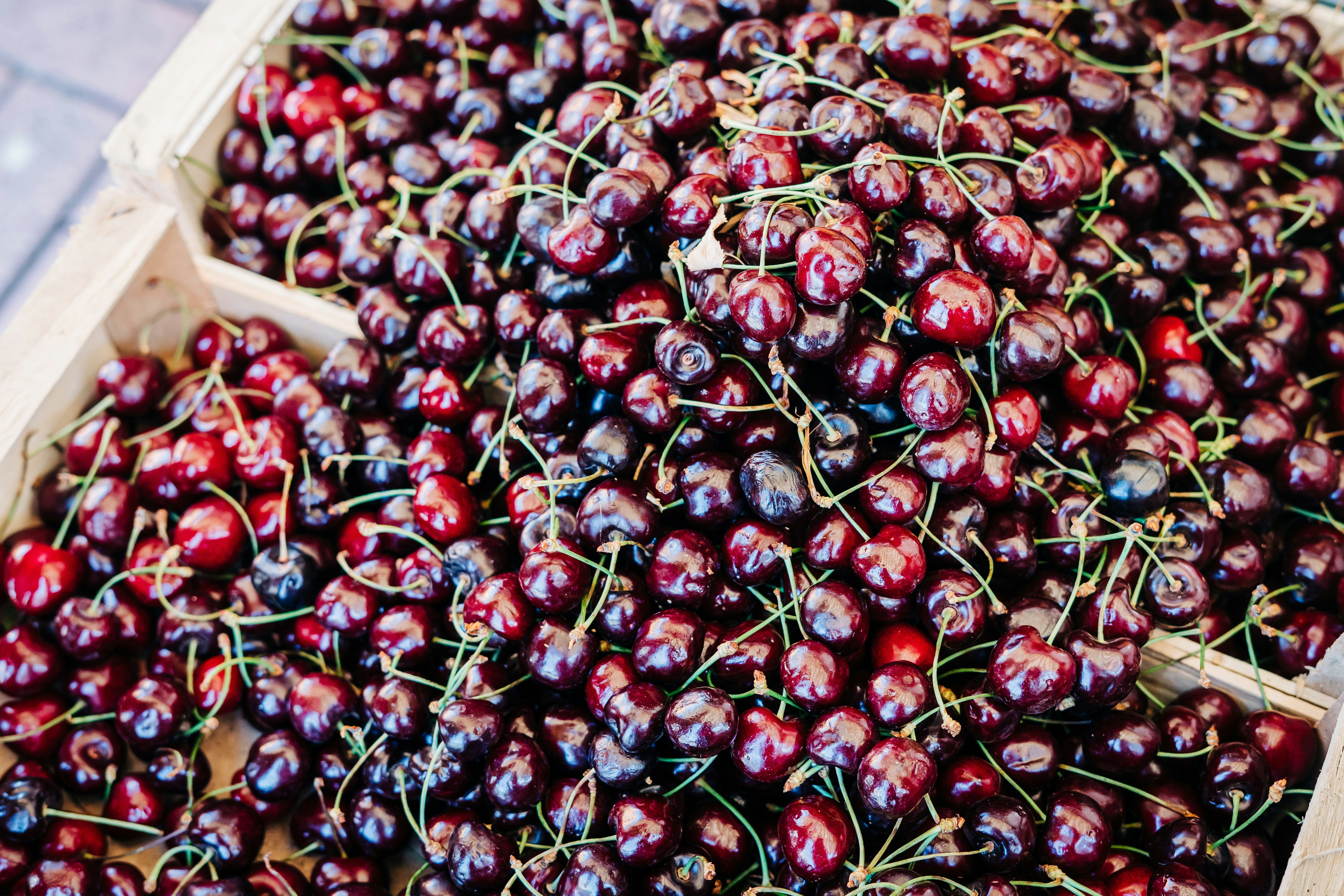
Every year there’s at least one fruit or vegetable I wish would stay in season a little longer.
This year it’s cherries.
When I came home with a large bag from the market, I started thinking about how quickly the season would pass. Instead of simply eating them fresh, I decided to experiment with a few ways to extend the season—and learn something new in the process.
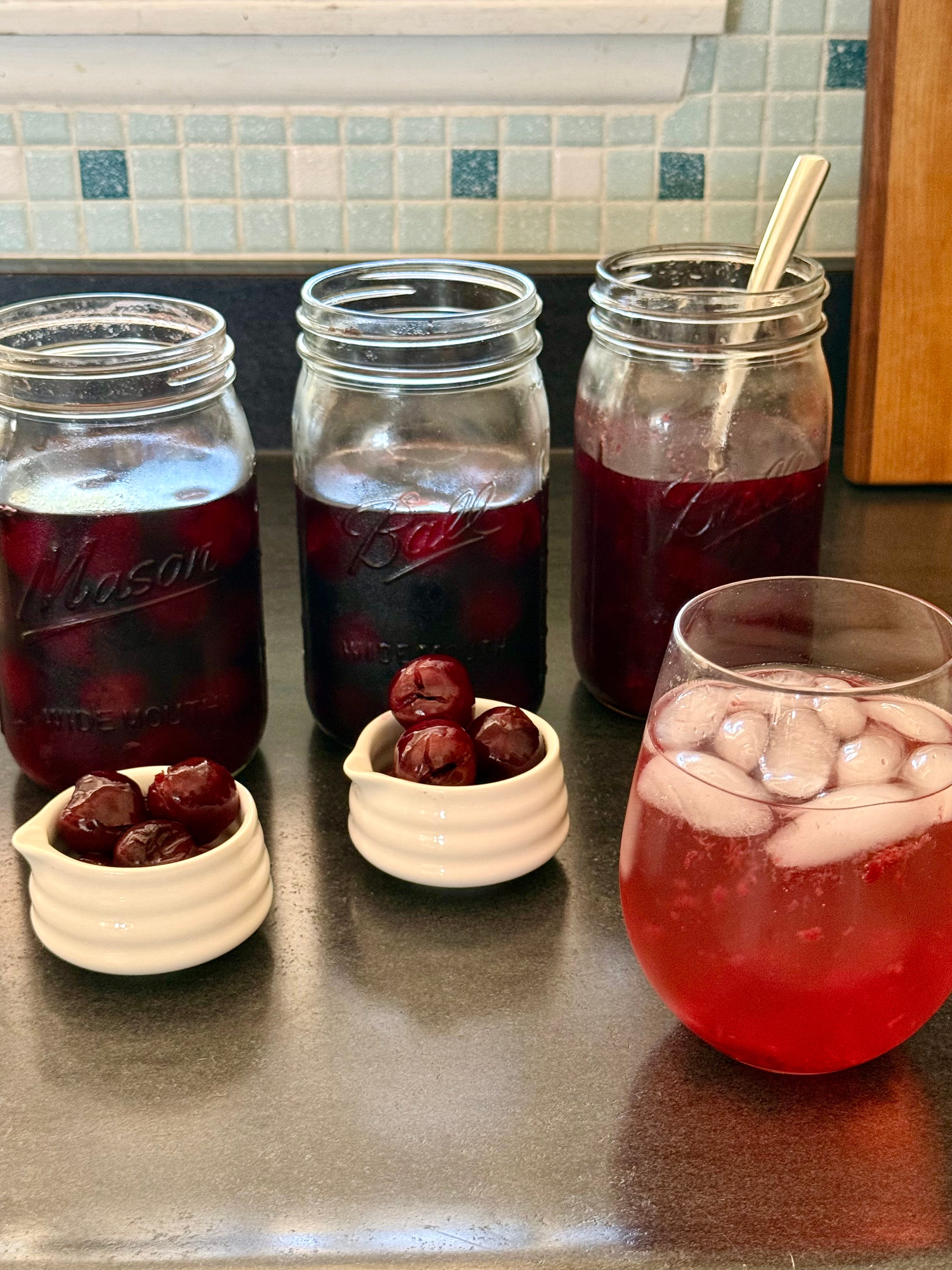
That led to three different cherry ferments—a traditional salt brine, a whey fermentation, and a cherry-lime honey shrub—a surprising kitchen trick, and a reminder that some of the best learning happens when we’re willing to play in the kitchen.
The texture was better than I expected. The taste of all three surprised me entirely.
Whether they become kitchen staples or simply good experiments, they all reminded me that curiosity belongs in the kitchen.
The Cherry-Pitting Trick I Wish I’d Known Sooner
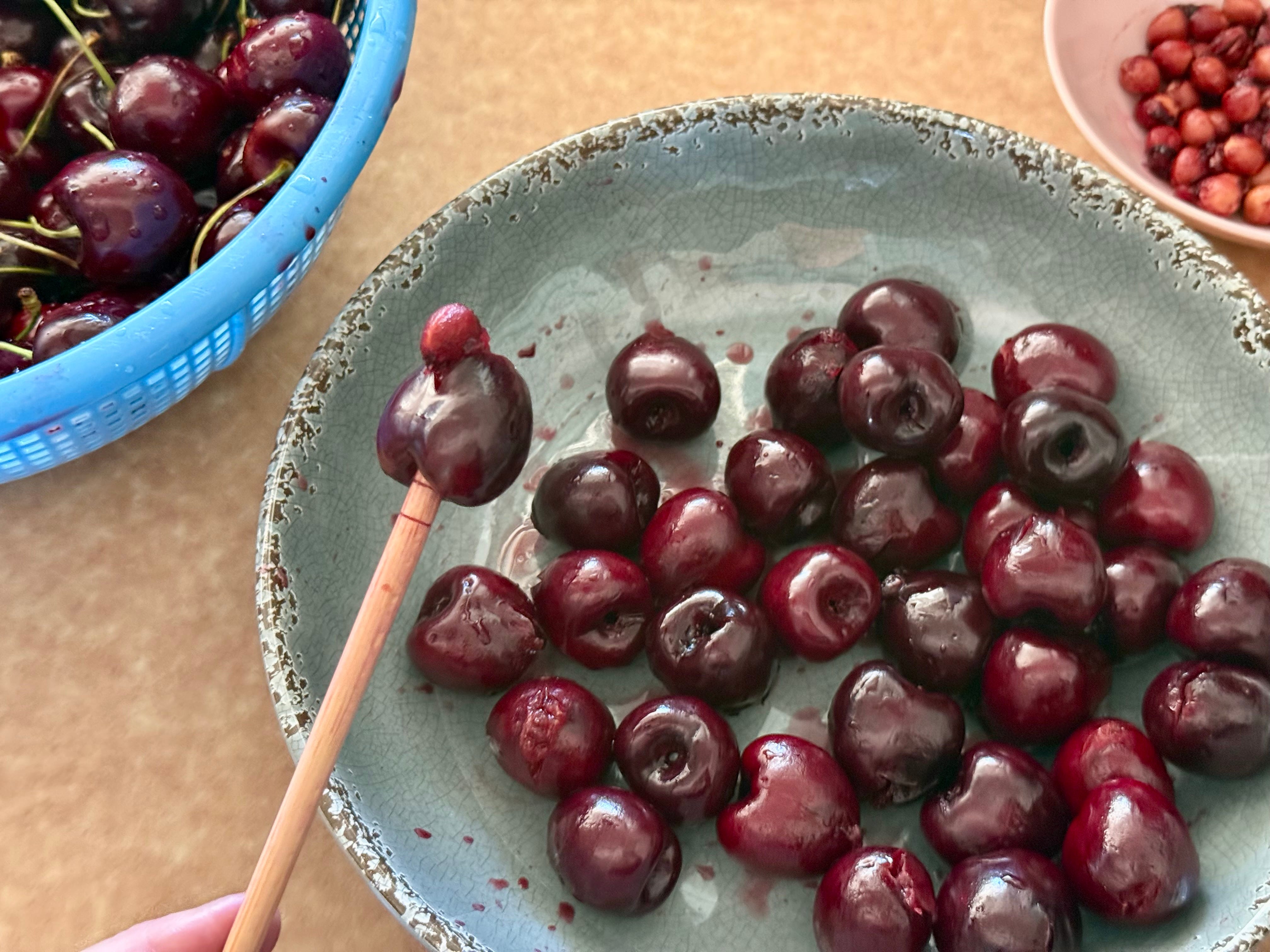
When my cherry pitter didn’t fit these larger cherries, I wasn’t sure what to do. A quick internet search introduced me to a surprisingly simple solution: a chopstick.
You can pit a cherry with a chopstick by removing the stem of a cherry. Then while holding the cherry firmly in one hand, take the larger flat end of a chopstick and push the chopstick through from the stem end to the bottom end of the cherry. Some cherries are easier than others. The video at the end of this post shows the cherry-pitting trick in action and how I put together all three ferments.
Three Cherry Fermentation Experiments
Salt-Brined Cherries
This might seem like a most unusual experiment, but I was curious to give it a try. If you grew up in Michigan, cherries seem to find their way into everything. We’re known for putting cherries in anything from salads to mixing them into hamburger meat. Yes, there is such a thing as a Michigan cherry burger. Think of it as a way to stretch the meat while adding a little sweetness, extra fiber, and nutrients.
Last summer my whole family spent time in Traverse City—home of the National Cherry Festival and the famous Cherry Republic store. I bought cherry sodas, jams, concentrate, and more. They don’t carry fermented cherries with probiotics, though. Knowing how good ferments are for gut health, I’m hoping to create my own.
By day two of my fermentation experiment, I could see bubbles climb to the surface if I moved the jar. I didn’t want the cherries to get overly funky—just something lightly brined that I could add to salads, salsa, and chutney, so I moved it to the refrigerator.
After a few days in the refrigerator, the salt-brined cherries mellowed and were not fizzy at all. They had a slightly salty flavor, not sweet, perfect for savory applications.
I’m going to make a cherry martini, incorporate them into a burrata board, and create my version of a Michigan cherry salad with grilled chicken.
Whey-Fermented Cherries
I wasn’t sure what to expect. I was hoping the whey ferment would be a little sweeter than the salt-brined version. I added a scant tablespoon of raw honey. My thinking was that the small amount of honey would help get the fermentation started while retaining some of the cherries’ natural sweetness.
It worked. These cherries retained more of their natural sweetness. Plus, they have a literal zing and feel much livelier on the palate.
I will more likely use these cherries in sweet applications—like over yogurt, cake, or ice cream.
Cherry-Lime Honey Shrub
One of my favorite fermentation projects I learned during my holistic chef training is making drinking vinegars, commonly called shrubs. Most shrubs sold at farmer’s markets are made with simple syrup (sugar water and fruit).
By using raw honey and apple cider vinegar with the mother, you can make a gut-healthy concentrate that you can add to sparkling water for a delicious thirst-quenching beverage.
I’ve made a honey/vinegar shrub with other fruit like raspberry. This was my first time trying it with citrus. I used both the zest and segments of two limes. It’s delicious but very lime-forward, so I’d like to try it with just one lime next time.
What I Learned
One of the things I’m appreciating more lately is that living a Nutrivore Life doesn’t require dramatic changes.
Sometimes it looks like buying cherries because they’re in season.
Sometimes it looks like learning a new kitchen skill.
Sometimes it looks like experimenting, being curious, and discovering that food can teach us something new.
That’s the version of healthy living that interests me most these days—not perfection, but curiosity.
Kitchen Experiments is one of the ways I hope to teach what living a Nutrivore Life really looks like. I’ll be sharing recipe tests, seasonal projects, reinventing leftovers, and everyday moments that don’t always become polished recipes—but that teach me something every time I step into the kitchen.
In the coming months, paid subscribers will get invited further behind the scenes—with longer kitchen videos, seasonal projects, recipe development, fermentation experiments, and the everyday habits that make cooking nourishing food feel more natural.
For now, I’m excited to share these cherry experiments with everyone and hear which one you’d be most likely to try.
As a thank-you for being here, this Kitchen Experiments video is free for everyone. Come into my kitchen as I demonstrate the cherry-pitting trick and walk through all three cherry fermentation experiments. In the future, paid subscribers will get even more behind-the-scenes kitchen videos like this.